
Highlights
- Your eyes and brain are closely connected.
- Untreated vision loss is a recognized risk factor for dementia.
- Cataract surgery has been linked with lower dementia risk.
- Regular eye exams and up-to-date glasses are simple, powerful steps.
We often think of our eyes as cameras and our brains as computers, two separate systems. In reality, they're deeply connected. Your eyes are actually an extension of your brain, and a large portion of the brain is involved in processing what you see.
Because of this close relationship, vision problems can affect more than just how clearly you see. Research increasingly shows that untreated vision loss is linked with cognitive decline and a higher risk of dementia. The encouraging news is that much vision loss is preventable or treatable. This article explains the eye-brain connection, what research shows, and how to protect both your vision and your brain.
Your Eyes Are Part of Your Brain
During early development, the retina, the light-sensitive layer at the back of the eye, actually grows out from the developing brain. It's made of nerve cells and is connected to the brain by the optic nerve.
Vision is one of the brain's biggest jobs. Many different brain regions work together to process color, shape, movement, depth, and faces, and to connect what you see with memory and meaning. Some estimates suggest that a substantial share of the brain's outer layer is involved in visual processing in some way.
What Research Shows About Vision and Dementia
A Recognized Risk Factor
In 2024, the Lancet Commission on dementia prevention added untreated vision loss to its list of modifiable risk factors for dementia, bringing the total to 14. The Commission estimated that untreated vision loss accounts for around 2 percent of dementia cases worldwide.
Links With Cognitive Decline
Multiple studies have found that older adults with poor vision are more likely to experience cognitive decline. A 2022 study of US adults, published in JAMA Ophthalmology, estimated that a meaningful share of dementia cases might be linked with vision impairment.
Treatment May Help
Some of the most hopeful research involves cataract surgery. A 2021 study published in JAMA Internal Medicine, which followed more than 3,000 older adults with cataracts, found that those who had cataract surgery had about a 30 percent lower risk of developing dementia over the following decade than those who didn't. Researchers suggested that restoring clear vision may help keep the brain engaged and receiving rich sensory input.
These studies show associations rather than proof of cause and effect, but they suggest that looking after your eyes may help protect your brain.
Why Might Vision Loss Affect the Brain?
Less Stimulation
When vision is poor, the brain receives less detailed information from the world. Reduced sensory input may mean less stimulation for brain networks involved in thinking and memory.
Greater Mental Effort
Struggling to see uses up mental resources. The brain has to work harder to interpret blurry or incomplete information, leaving less capacity for other tasks.
Reduced Activity and Social Contact
People with poor vision may stop reading, driving, going out, socializing, or exercising. Reduced social engagement and physical activity are themselves risk factors for cognitive decline.
Depression
Vision loss is linked with a higher risk of depression, which is also associated with cognitive decline.
Shared Causes
Some conditions, such as diabetes and high blood pressure, affect both the blood vessels in the eyes and those in the brain.
Common Causes of Vision Loss
- Uncorrected refractive errors: needing glasses or an updated prescription, the most common and easily fixed cause
- Cataracts: clouding of the eye's lens, very common with age and highly treatable with surgery
- Age-related macular degeneration: damage to the central part of the retina
- Glaucoma: damage to the optic nerve, often linked with high eye pressure
- Diabetic retinopathy: damage to the retina's blood vessels from diabetes
Many of these conditions develop slowly and without pain, so regular eye exams are essential.
The Eyes as a Window to the Brain
Scientists are also exploring whether the eyes can reveal early signs of brain disease. Because the retina is made of nerve tissue, changes in its blood vessels and nerve layers may reflect what's happening in the brain. Researchers are studying retinal scans as a possible way to detect early signs of Alzheimer's disease in the future.
How to Protect Your Vision and Your Brain
Get Regular Eye Exams
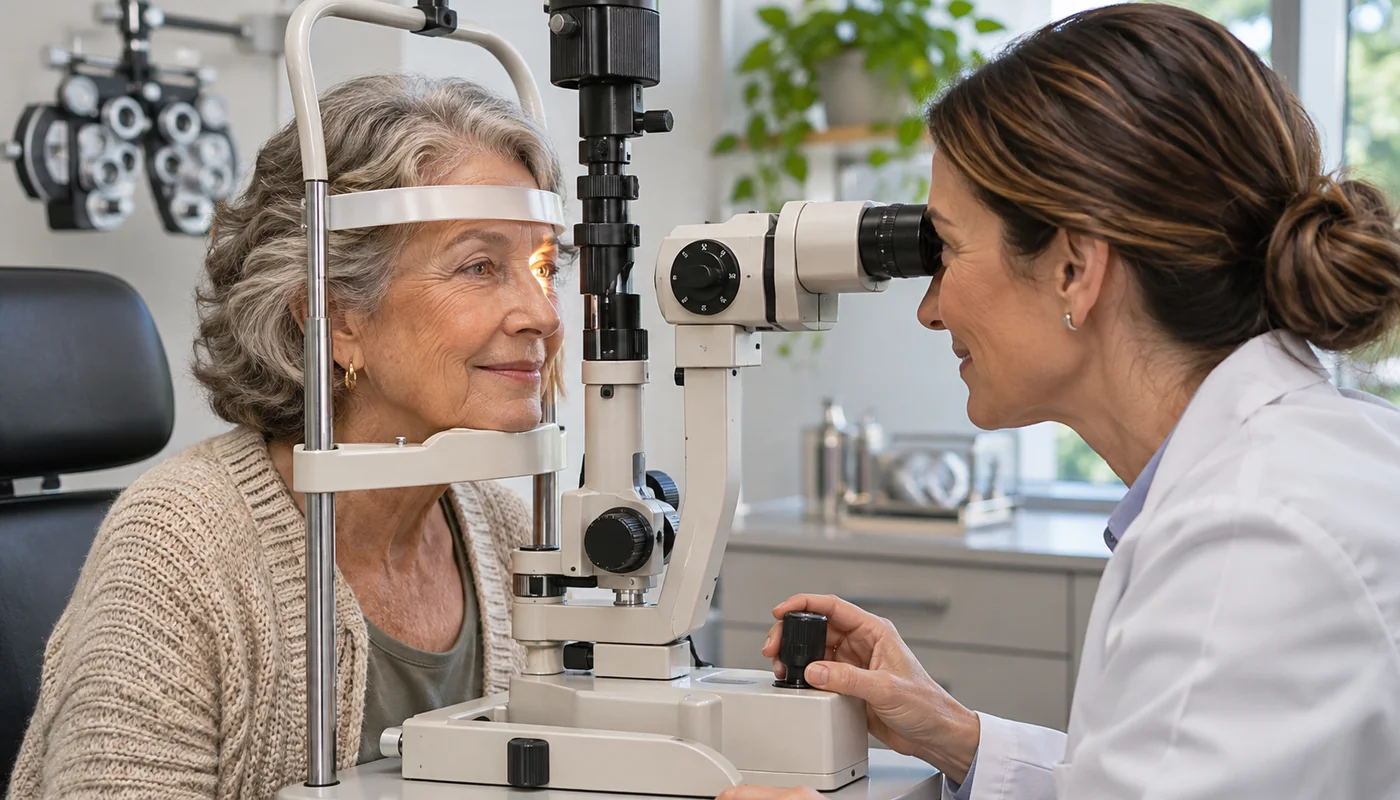
Adults should have comprehensive eye exams regularly. Many experts recommend exams every one to two years after age 60, or more often if you have diabetes, a family history of eye disease, or existing eye problems.
Wear Your Glasses
If you need glasses or contact lenses, wear them, and keep your prescription up to date. It's one of the simplest ways to keep your brain engaged.
Don't Delay Cataract Surgery
If cataracts are affecting your daily life, talk to your eye doctor about surgery. It's one of the most common and successful operations performed.
Manage Diabetes and Blood Pressure
Keeping blood sugar and blood pressure in healthy ranges protects the blood vessels in both your eyes and your brain.
Don't Smoke
Smoking raises the risk of cataracts and macular degeneration, as well as dementia.
Protect Your Eyes From the Sun
Wear sunglasses that block UV light to reduce the risk of cataracts.
Eat Eye-Friendly Foods
Leafy greens, colorful vegetables, fish, and nuts provide nutrients like lutein, zeaxanthin, and omega-3s that support eye health, and they're good for your brain too.
Stay Engaged
If you have vision loss that can't be fully corrected, low-vision aids, good lighting, large-print books, audiobooks, magnifiers, and accessibility features on phones and computers can help you keep reading, learning, and connecting with others.
Keep Your Brain Active
Alongside caring for your eyes, keep your brain engaged with reading, puzzles, learning new skills, brain games, social activities, and regular exercise. If vision makes some activities harder, look for alternatives, such as audio-based games, music, or conversation groups.
Signs It's Time for an Eye Check
- Blurry or cloudy vision
- Difficulty reading, even with glasses
- Glare or halos around lights, especially at night
- Faded colors
- Trouble seeing in dim light
- Straight lines looking wavy
- Loss of side vision
Don't wait for your next routine appointment if you notice changes. Sudden vision loss, flashes of light, or a shower of new floaters need urgent attention.
Frequently Asked Questions
Can poor eyesight cause dementia?
Untreated vision loss is linked with a higher risk of dementia, though it's one of many factors. Treating vision problems may help reduce risk.
Does cataract surgery lower dementia risk?
Some studies have found that people who have cataract surgery have a lower risk of dementia, though more research is needed.
How often should I have my eyes checked?
Every one to two years for many older adults, or as recommended by your eye doctor.
Can an eye exam detect brain problems?
Eye exams can sometimes reveal signs of conditions like high blood pressure, diabetes, and stroke risk. Research into detecting Alzheimer's through the eyes is ongoing.
Key Takeaways
- Your eyes and brain are closely connected.
- Untreated vision loss is a recognized risk factor for dementia.
- Cataract surgery has been linked with lower dementia risk.
- Regular eye exams and up-to-date glasses are simple, powerful steps.
- Managing diabetes and blood pressure protects both eyes and brain.
Looking after your eyes is looking after your brain. Book that eye exam, wear your glasses, and keep seeing the world clearly, and your mind will benefit too.
This article provides general educational information and is not medical advice. A qualified healthcare professional can help you evaluate choices in relation to your health history, medications, and individual needs.