
Highlights
- There's no single best type of meditation for everyone.
- Mindfulness and guided meditation are great starting points.
- Body scans help with relaxation and sleep; loving-kindness builds compassion.
- Walking meditation, yoga, and tai chi suit people who prefer movement.
You've decided to try meditation. Maybe you want to feel calmer, sleep better, focus more easily, or simply understand what all the fuss is about. But as soon as you start looking, you're faced with a long list of options: mindfulness, loving-kindness, mantra, body scan, guided visualization, walking meditation, and more. Which one should you choose?
The good news is that there's no single "right" type of meditation. The best one for a beginner is the one you'll actually enjoy and keep practicing. This article explains the most popular types of meditation, what each involves, who it suits, and how to find your fit.
What All Meditation Has in Common
Despite their differences, most types of meditation share a few core elements:
- Focusing attention on something, such as the breath, a word, the body, or a feeling
- Noticing when the mind wanders
- Gently returning attention to the focus
- Practicing regularly to build the skill
Every type of meditation trains your ability to direct and settle your attention.
Popular Types of Meditation for Beginners
1. Mindfulness Meditation (Breath Awareness)
What it is: You focus on the natural rhythm of your breathing. When your mind wanders, you notice and gently return to the breath.
Best for: Almost everyone. It's simple, widely researched, and can be done anywhere.
Benefits: Reduced stress and anxiety, improved focus, and better emotional balance.
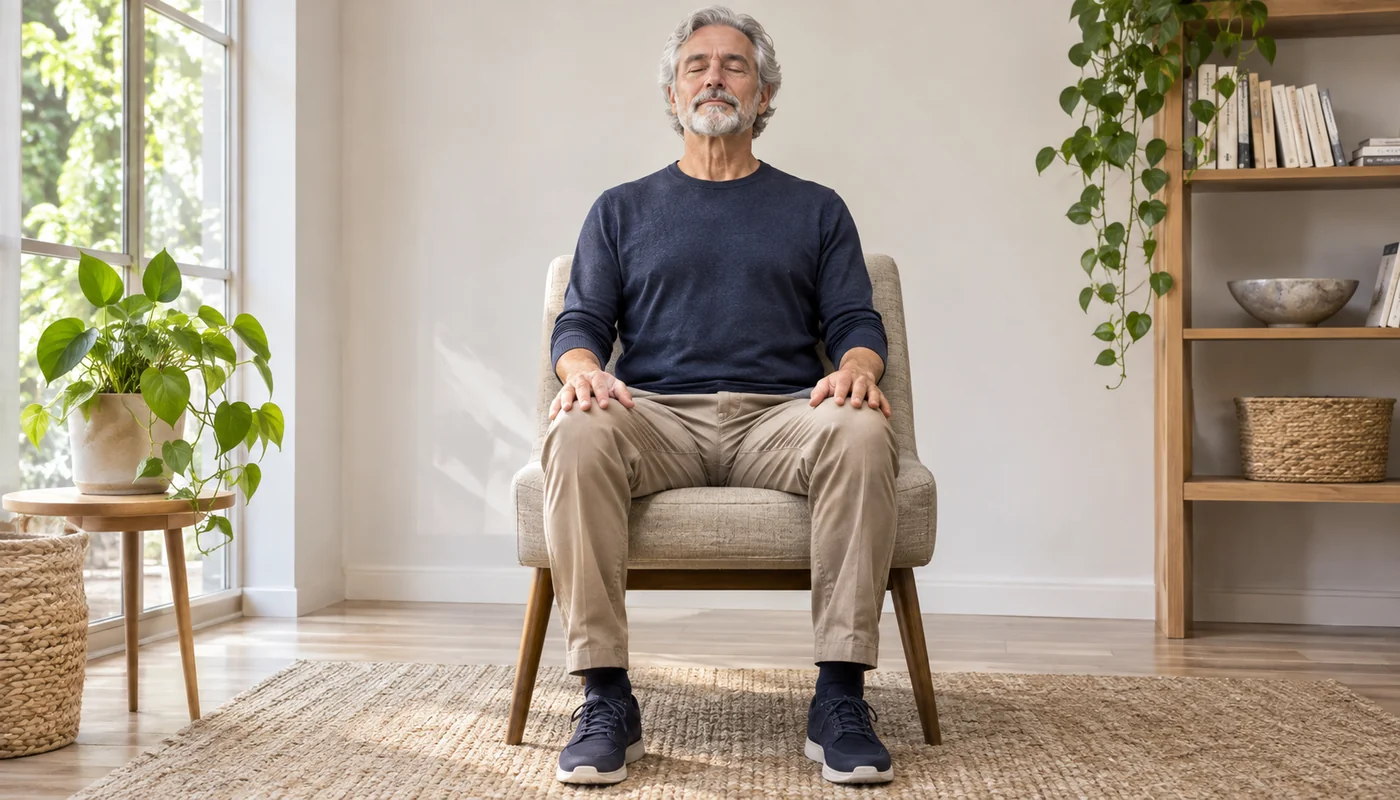
Try it: Sit comfortably, close your eyes, and focus on the feeling of breathing in and out for five minutes.
2. Guided Meditation
What it is: A teacher or recording talks you through the meditation, offering instructions and gentle reminders.
Best for: Complete beginners who aren't sure what to do or who find silence difficult.
Benefits: Easier to stay on track, with a wide range of topics such as sleep, stress, or focus.
Try it: Use a free app, podcast, or online video with a short guided session.
3. Body Scan Meditation
What it is: You slowly move your attention through different parts of your body, noticing sensations without trying to change them.
Best for: People who carry tension in their bodies, have trouble relaxing, or want help with sleep.
Benefits: Relaxation, greater body awareness, and better sleep.
Try it: Lie down and slowly bring your attention from your toes up to the top of your head over 10 to 20 minutes.
4. Loving-Kindness Meditation
What it is: You silently repeat phrases of goodwill, such as "May I be happy. May I be healthy. May I be at peace," first for yourself and then for others.
Best for: People who are hard on themselves, feeling disconnected, or wanting to build compassion.
Benefits: Research suggests it can increase positive emotions, self-compassion, and feelings of social connection.
5. Mantra Meditation
What it is: You silently repeat a word, phrase, or sound to focus the mind. Transcendental Meditation is a well-known, structured form taught by certified instructors.
Best for: People who find focusing on the breath difficult and prefer a word to anchor attention.
Benefits: Calm, focus, and a sense of rest.
Try it: Choose a calming word like "peace" or "calm" and repeat it silently as you breathe.
6. Walking Meditation
What it is: You walk slowly and pay close attention to the movement of your body and the sensations of each step.
Best for: People who find sitting still uncomfortable or feel restless.
Benefits: Combines gentle movement with awareness.
Try it: Walk slowly in a quiet space for ten minutes, noticing your feet lifting, moving, and touching the ground.
7. Visualization Meditation
What it is: You imagine a peaceful scene, such as a beach or forest, engaging all your senses.
Best for: Imaginative people and those wanting relaxation.
Benefits: Relaxation and stress relief.
8. Movement-Based Meditation
What it is: Practices like yoga, tai chi, and qigong combine gentle movement, breathing, and focused attention.
Best for: People who want physical benefits alongside mental ones.
Benefits: Improved flexibility, balance, and calm. Tai chi is also known to reduce falls in older adults.
9. Yoga Nidra
What it is: A guided practice, done lying down, that leads you into a deeply relaxed state between waking and sleep.
Best for: People who want deep relaxation or help with sleep.
How to Choose the Right Type for You
Ask yourself a few questions:
- What's your goal? Stress relief, better sleep, focus, self-compassion, or curiosity?
- Do you prefer stillness or movement?
- Do you like guidance or silence?
- How much time do you have?
Some suggestions:
- For stress and anxiety: mindfulness, guided meditation, or breathing-focused practice
- For sleep: body scan or yoga nidra
- For focus: mindfulness of breath or mantra meditation
- For self-criticism: loving-kindness meditation
- For restlessness: walking meditation, yoga, or tai chi
Tips for Beginners
- Start small: five minutes is plenty at first
- Be consistent: practice at the same time each day
- Experiment: try a few different types before settling on one
- Expect a wandering mind: noticing it and returning is the practice
- Be kind to yourself: there's no such thing as a "bad" meditation
- Use support: apps, classes, and groups help you stay motivated
Meditation and Your Brain
Research suggests regular meditation may strengthen brain networks involved in attention and emotional regulation. Meditation pairs well with other brain-healthy habits, such as regular exercise, good sleep, social connection, and mentally stimulating activities like reading, learning, and brain games.
A Two-Week Sampler Plan
If you're unsure where to begin, try a different style every few days and notice how each feels:
- Days 1 to 3: Five minutes of guided breathing meditation each morning
- Days 4 to 6: A ten-minute body scan before bed
- Days 7 to 9: Five minutes of loving-kindness practice
- Days 10 to 12: Ten minutes of walking meditation outdoors
- Days 13 and 14: Repeat the style you enjoyed most
Keep brief notes after each session: how calm you felt, how easy it was to stay focused, and whether you looked forward to it. By the end of two weeks, you'll have a good sense of which practice suits you best. Remember that preferences can change over time, so feel free to revisit other styles later as your practice develops.
Frequently Asked Questions
What is the easiest type of meditation for beginners?
Guided meditation and simple breath-focused mindfulness are usually easiest to start with.
Is one type of meditation better than another?
Not really. The best type is the one you enjoy and will practice regularly.
Can I combine different types?
Yes. Many people use different practices for different needs, such as body scan for sleep and mindful breathing for focus.
Do I need a teacher?
Not necessarily. Apps and recordings work well for many people, though classes offer helpful guidance and community.
What if I can't sit still?
Try walking meditation, yoga, or tai chi.
Key Takeaways
- There's no single best type of meditation for everyone.
- Mindfulness and guided meditation are great starting points.
- Body scans help with relaxation and sleep; loving-kindness builds compassion.
- Walking meditation, yoga, and tai chi suit people who prefer movement.
- Start small, experiment, and practice consistently.
Meditation is a personal journey, and there's a style for everyone. Try a few, notice what feels good, and enjoy discovering the practice that brings you the most calm and clarity.
This article provides general educational information and is not medical advice. A qualified healthcare professional can help you evaluate choices in relation to your health history, medications, and individual needs.